Escaping Techno-Feudalism
The internet used to be handmade, personal, and wild. SaaS made us peasants. The personal cloud is how we take it back.

From my talk at AI Engineer Singapore. Hi, my name is Ben and I really love computers. I love computers so much that I dressed up as a computer.
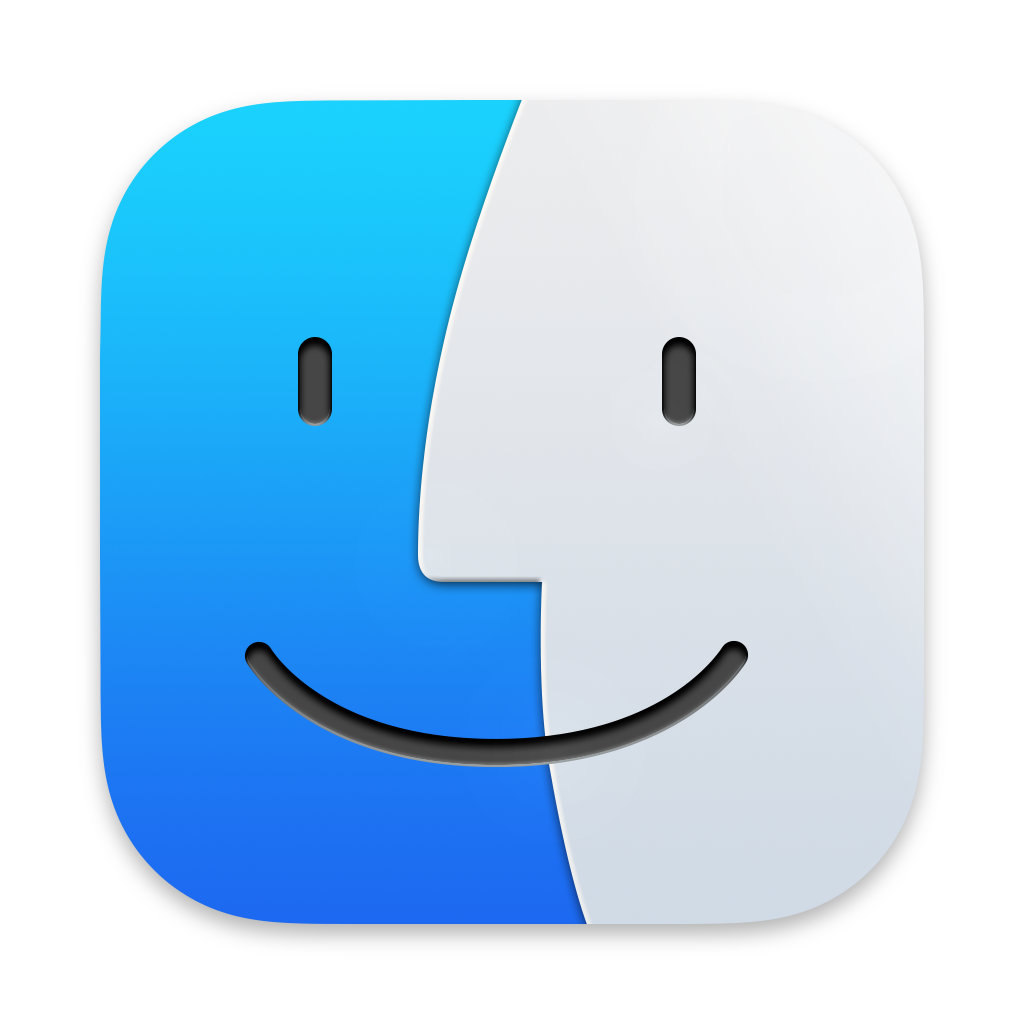
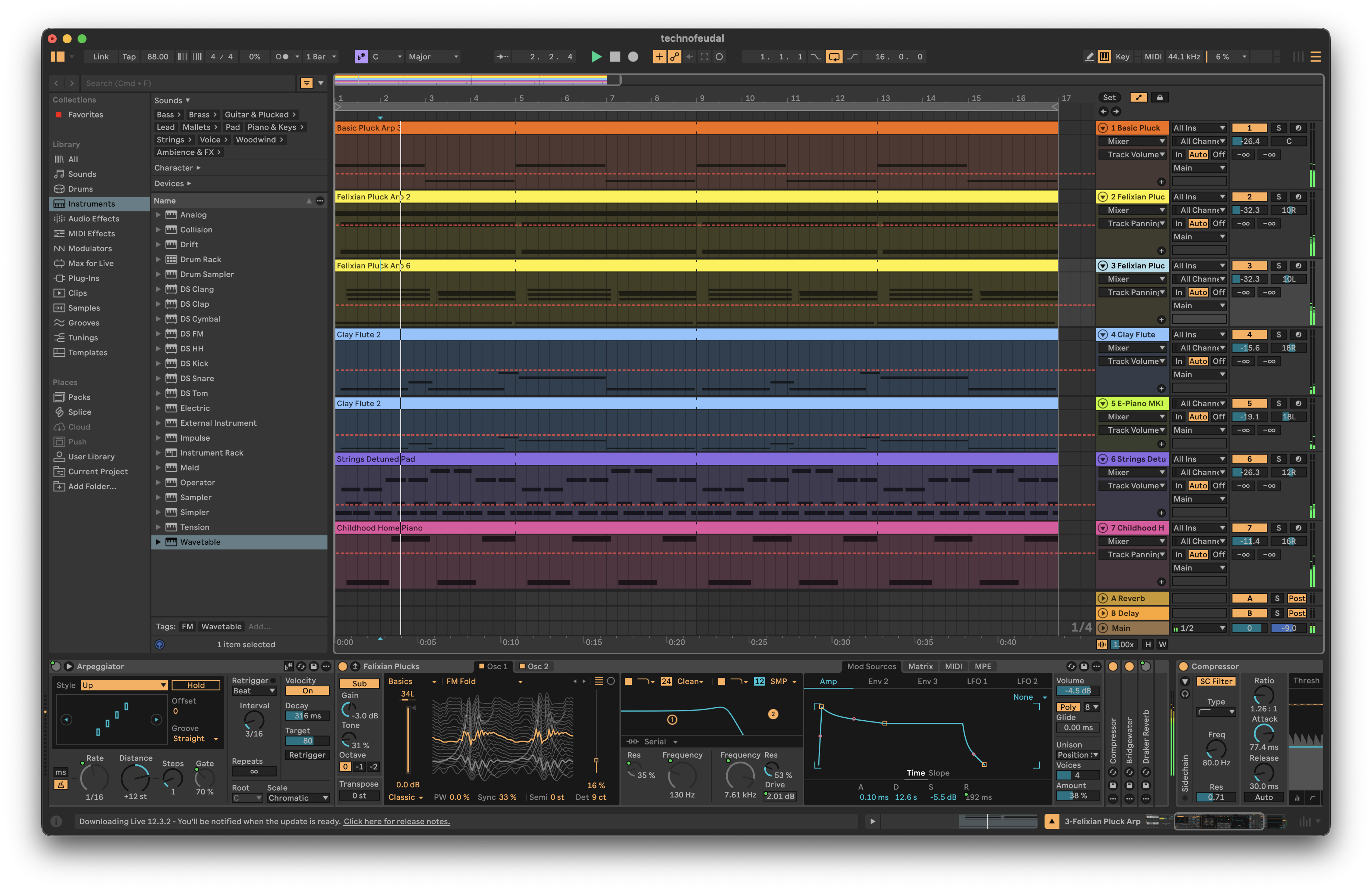
The graphic on my shirt is the classic Finder icon designed by Susan Kare. The Macintosh was my first computer when I was a kid. I developed a fondness for computers very young, just using MacPaint, then discovering web development, then building apps, then creating stuff on my computer with Ableton and Photoshop.
I discovered very early that a computer is one of the most powerful creative tools ever invented by humanity. You can create anything that you can imagine. You can discover anything that you can imagine, too, on the internet and with all the amazing things that people have built in the digital world.
The Finder icon represents the union between the human, the gray face, and the computer, the blue face. They're in perfect, happy harmony. The human is interacting with and kind of merged with the machine.
This is how I think AGI should feel when it comes. It should feel like this beautiful, happy merging between the human and the machine. The human using the computer as this tool. That's how I want AGI to feel.
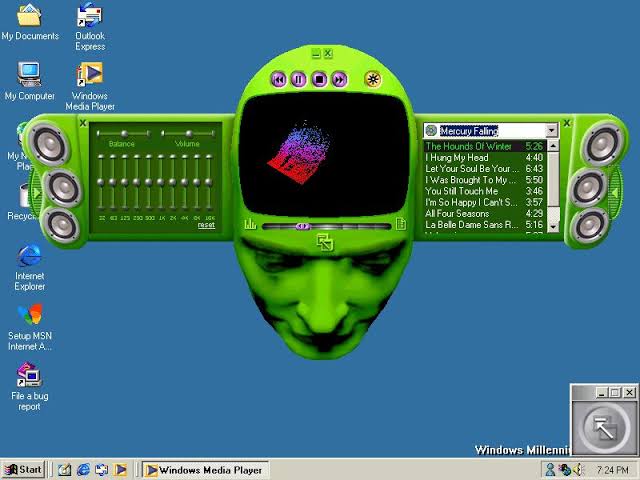
I feel a lot of nostalgia for early computers and the internet. The internet used to be so handmade and personal and wild. A little bit janky. Our computers were creative and personal. We could customize them in all these crazy ways. I spent so much time customizing my Winamp.
Things changed. Things don't feel that way anymore. And the reason that happened is because of feudalism.
Feudalism was the way the world worked for a long time, in the west and in the east. Basically, the peasants paid rent to the knights, who paid rent to the lords, who paid rent to the king. It was great for the king and really, really shitty for the peasants.
Luckily, we escaped feudalism. Or so we think. In our digital lives, feudalism is still alive and well.
We are still peasants. We use SaaS companies and pay them rent. The SaaS companies pay rent to the clouds, who pay rent to the kings. And it still sucks to be a peasant.
Things are a little complicated right now with AI. It's unclear who the new kings are going to be. Everybody is paying rent in all these weird ways to each other. So it's not exactly feudalism. It's a little more complex. But basically it's feudalism.
And the result is that our experience of computers and software and the internet is quite shitty as peasants. We are fragmented between all these different services which lock us in. They take our data and sell it back to us. And that PM at that SaaS company that you use is never going to prioritize the feature you want. They're never going to make the software work just the way that you want it. Instead they're going to continue monetizing your data and your attention. And because you're a peasant, you don't own anything.
I think it's time to burn it all down.
Obviously some SaaS is useful. Infrastructure is important. But because of coding agents, we have this great new tool to rebuild and rewild the internet. Personal agents in particular are a really important piece of how we'll make this happen.
The landscape of personal agents is basically like this.
There are DIY things like OpenCode or Hermes that are kind of difficult to set up and operate. But they're yours. You control them. You might have to set it up on a Mac mini or something and fix it if it breaks. That might be annoying. That's one path.
The other path is the trad approach, where you use something like ChatGPT or Manus. But there you're a peasant again. You're using a SaaS tool that is going to lock you in and is not incentivized to give you control.
At Zo Computer we believe there should be a third way. Something that's the best of both worlds. It's easy to manage, it gives you full control, and it can be your real home on the internet. You can stop being a peasant and own land.
Zo is a powerful cloud agent workspace. You can use any model. You don't have to be locked into OpenAI or Anthropic. You can bring your Codex subscription. You can text Zo or email it. We give you a dedicated email address. You can use Telegram or Slack. All these different channels to work with your Zo.
And it's a computer. We give you a full, really well set up VM. It's a lot easier to use and has a lot more bells and whistles than if you just took a bare metal VPS or an EC2 instance. You get root access to it. You can use the terminal. You can install stuff. You can do whatever you want with it. It's your server.
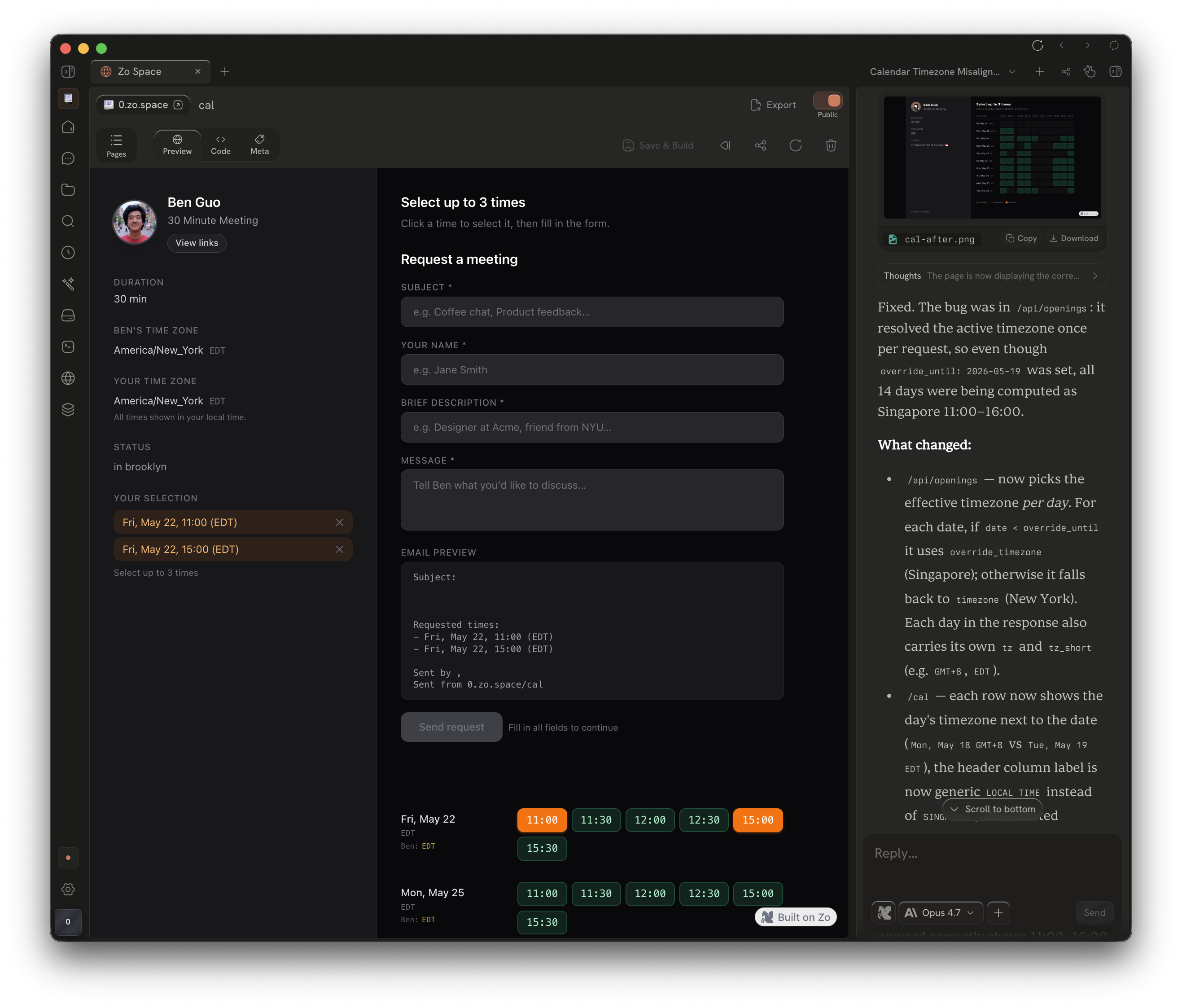
You can build anything and host it inside of your Zo, which is quite different from these personal agent tools or these SaaS tools. The data is yours, and you are the system of record, the source of truth. It changes the way that the arrows point. I am the center, not these SaaS companies.
Zo comes with tools built in, and it's extremely extensible. You can get started quickly, and you can expand it to be just the way you like. Your real home on the internet. Your land on the internet.
The bigger picture is that we are giving everybody what previously only tech-enabled companies had.
This is what happened with computing generally. In the beginning, computers were mainframes. Only large tech-enabled enterprises had them. Eventually they became something that everybody had.
The same thing is happening now. The mainframe of today is cloud computing, software, and infrastructure. With coding agents and personal agents and access to the cloud, we can give everybody access to the same tools that software companies had.
This is the revolution that is happening now, and will be happening in the future. This is how the internet is going to become fun and wild and free again.
We're going to have our own personal clouds to store our data, to build our tools, and to create surfaces like websites and APIs and agents for other people to interact with. This, I think, is the future of the internet.